2026
Renaissance 1776
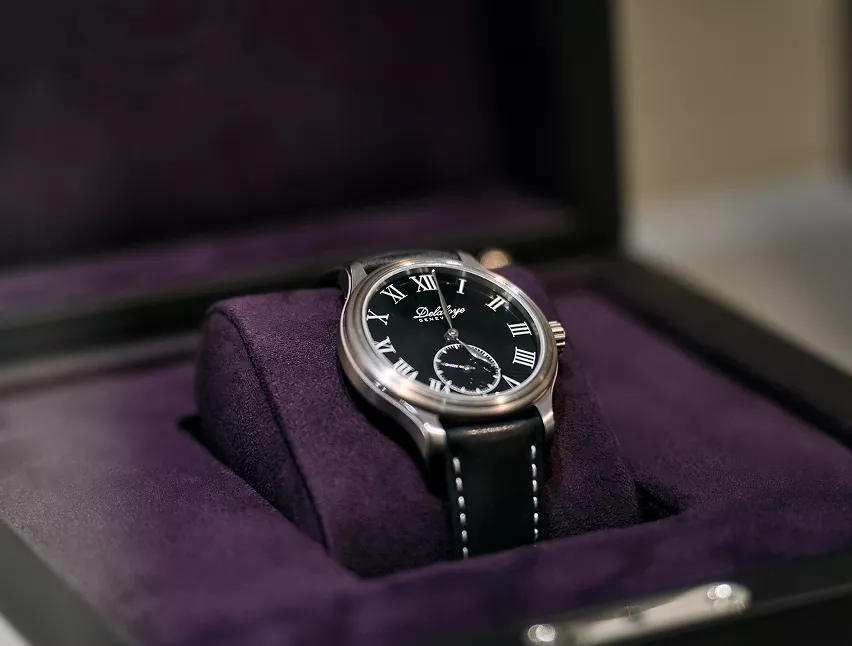
Renaissance 1776 returns to the deadbeat seconds, 250 years after Jean-Moïse Pouzait.
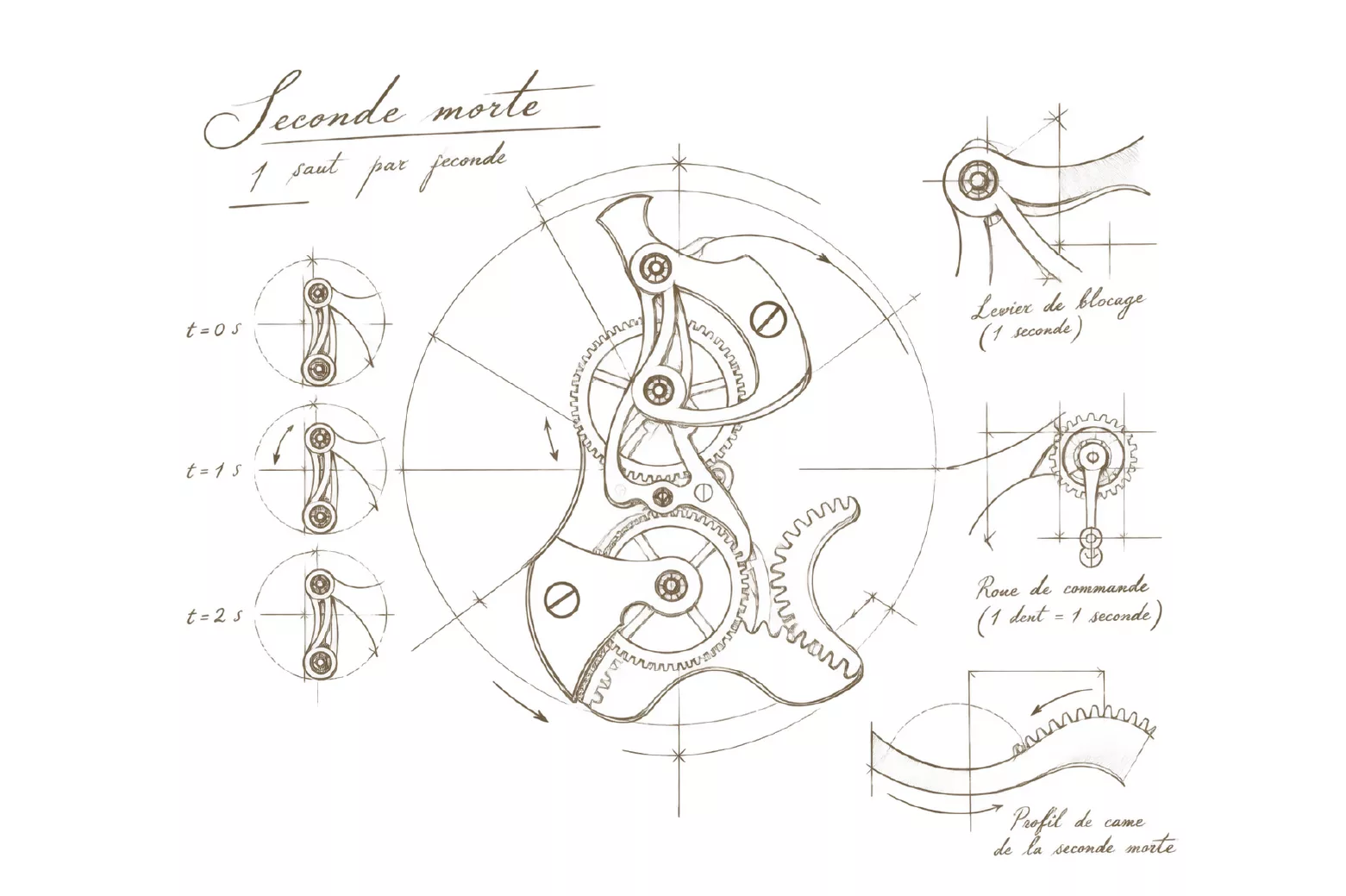
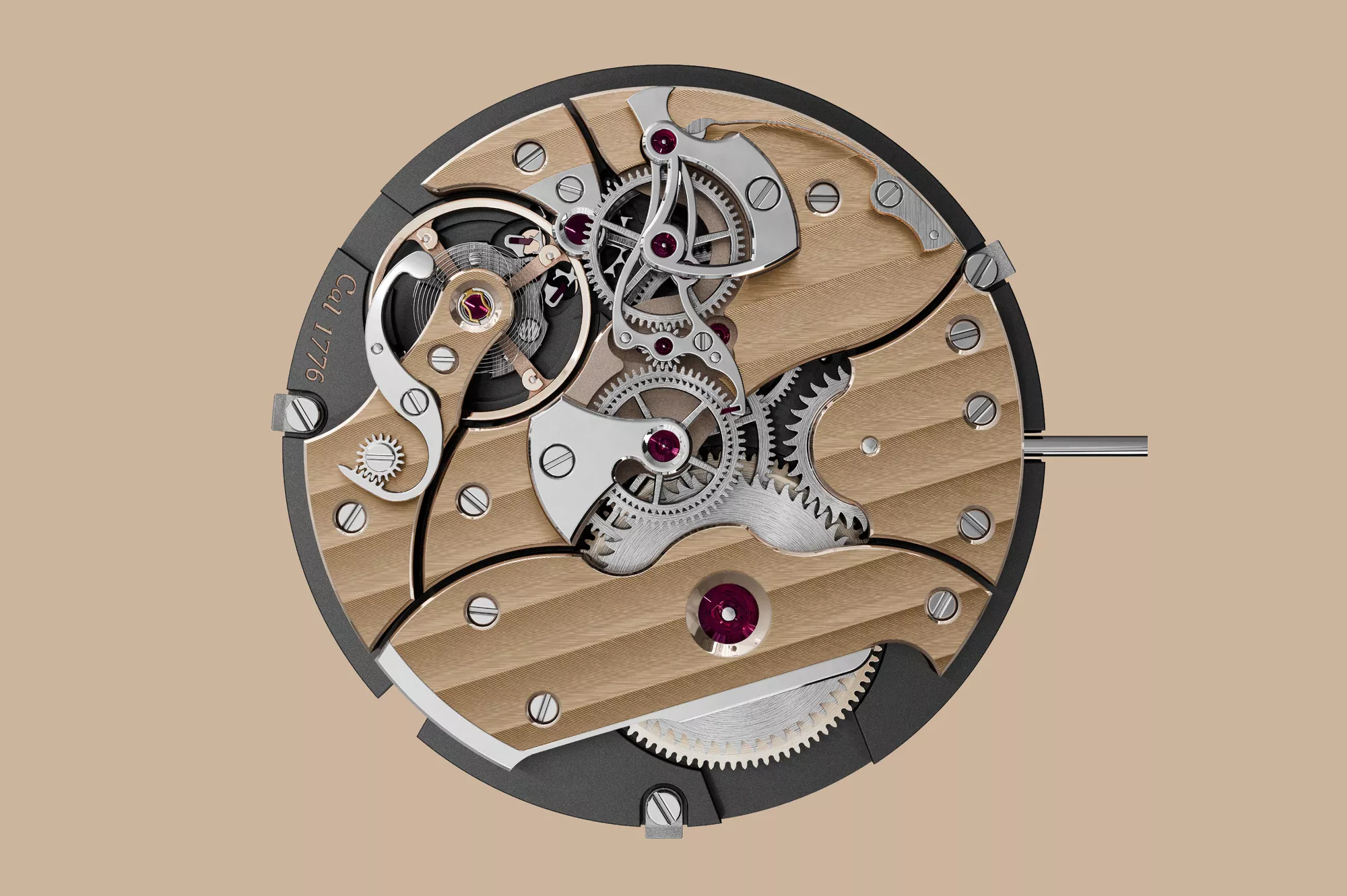
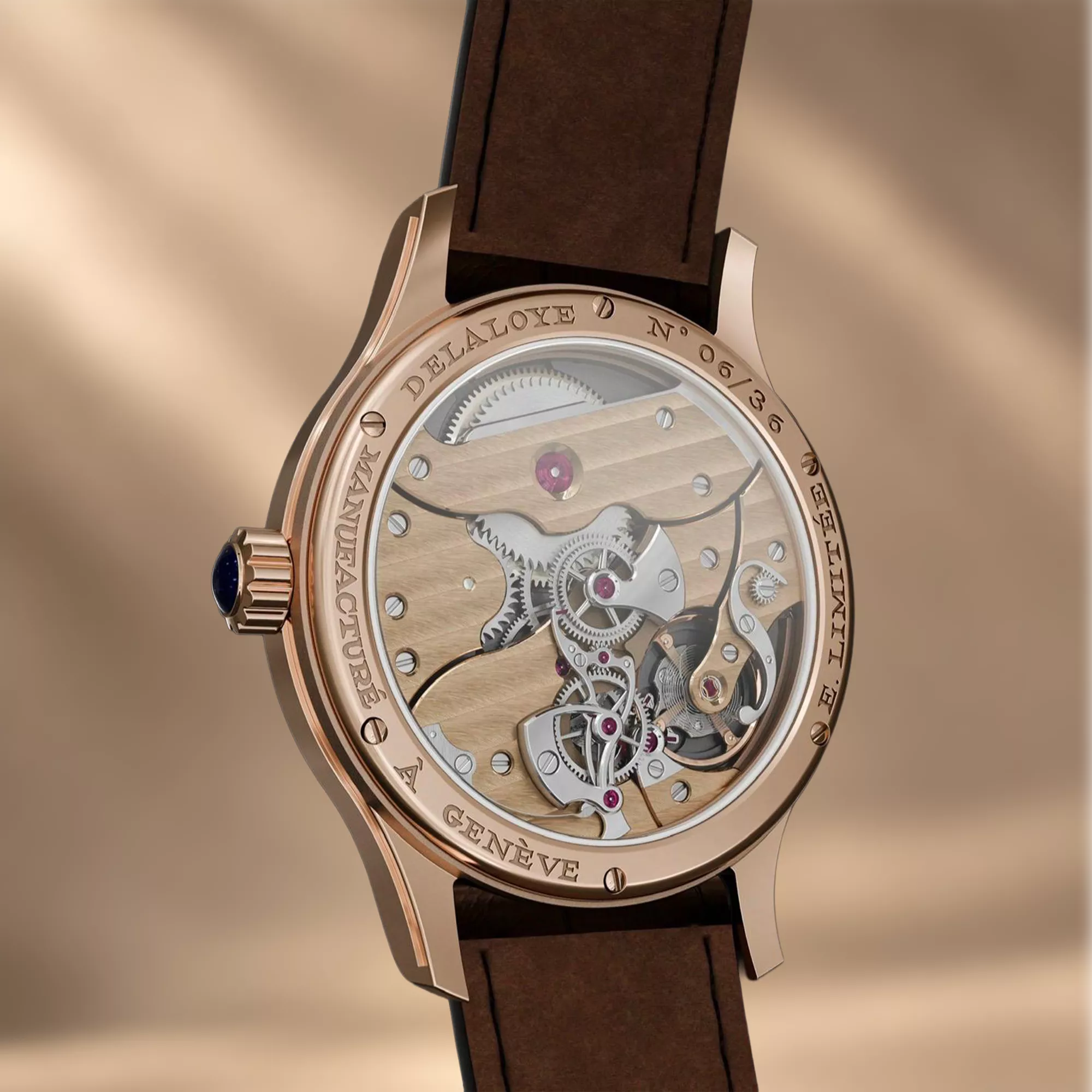
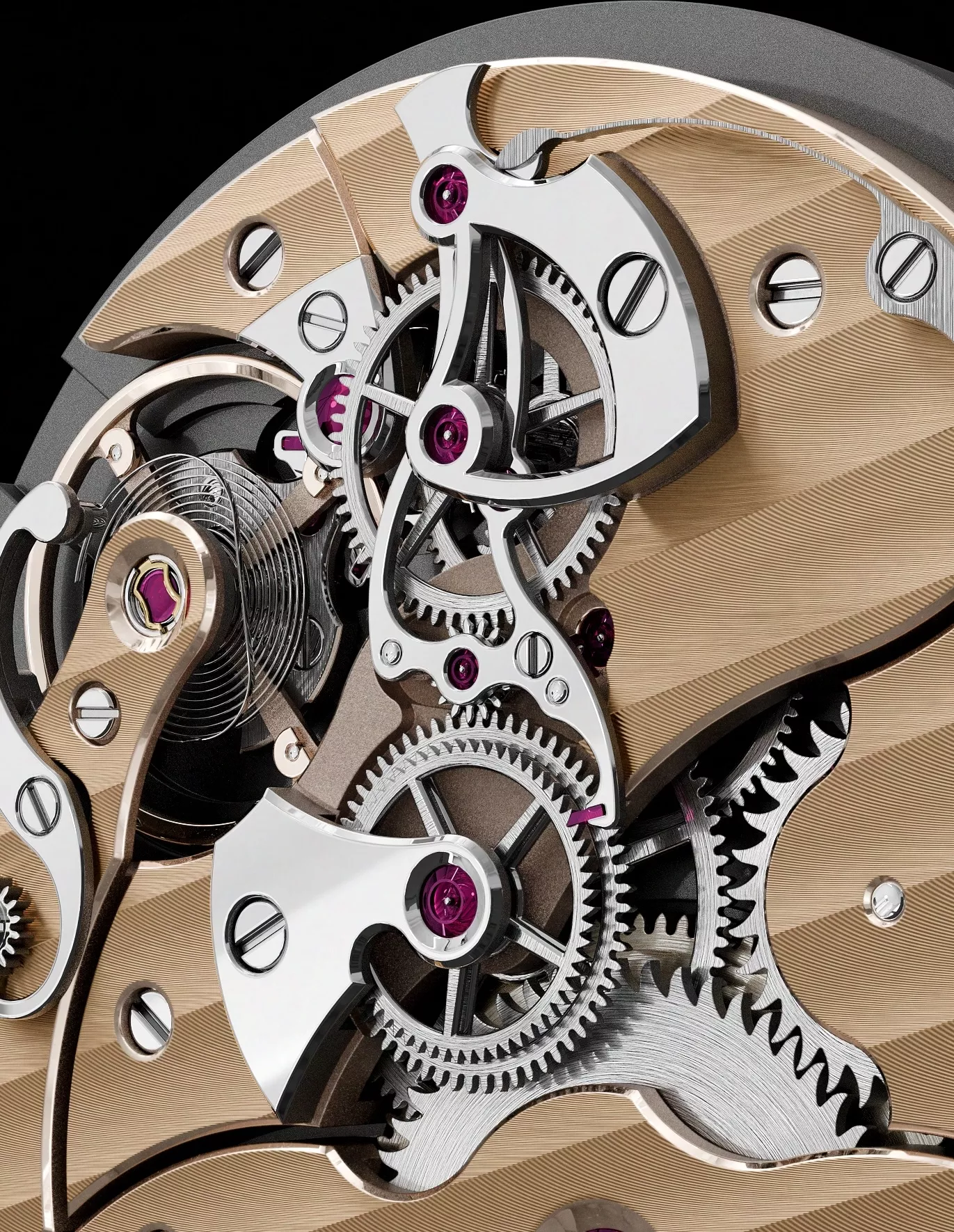
In 1776, the Geneva watchmaker Jean-Moïse Pouzait presented an independent deadbeat seconds mechanism to the Société des Arts. A second gear train makes it possible to stop and restart the central seconds hand without interrupting the running of the watch. Two hundred and fifty years later, Calibre 1776 places this complication back at the centre of the piece.
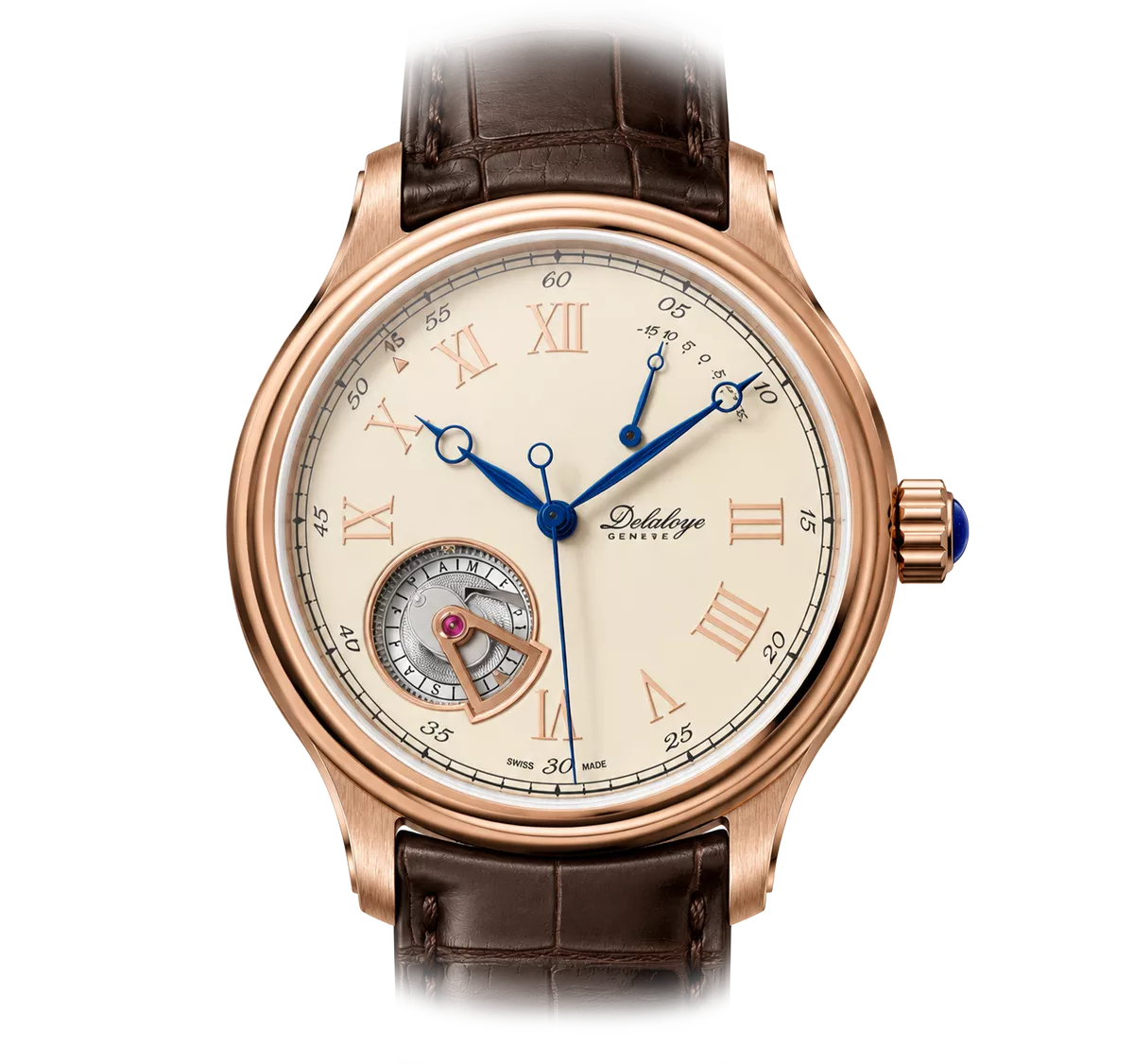
With the deadbeat seconds, the central hand stays still for one second, then jumps instantly to the next. Behind this apparently simple display lies one of the most demanding complications in watchmaking. It gives Renaissance 1776 its rhythm and its identity.
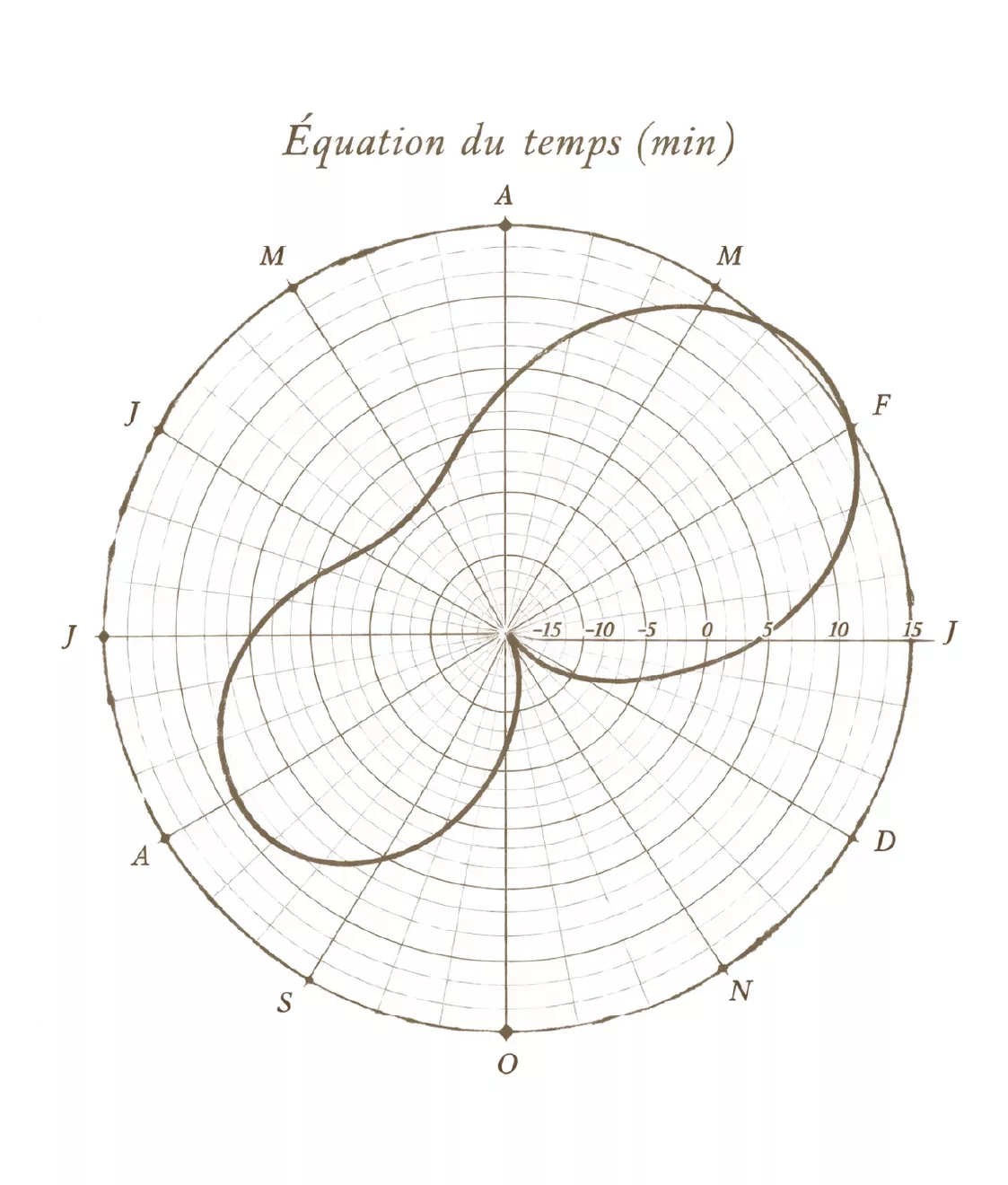
To this reading is added the equation of time: the gap between true solar time and mean time, which varies from about −14 to +16 minutes over the year. On the calibre, this variation becomes a cam whose profile follows the equation of time through the seasons.
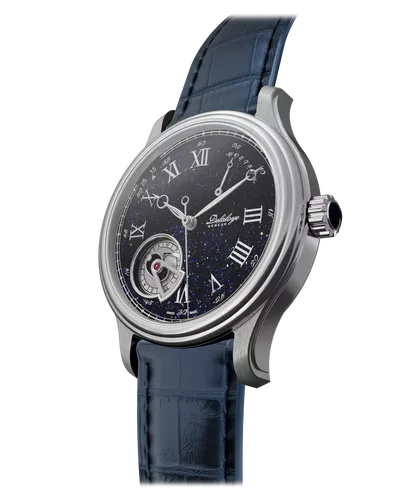
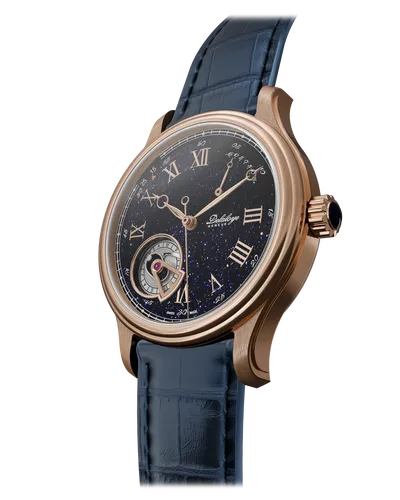
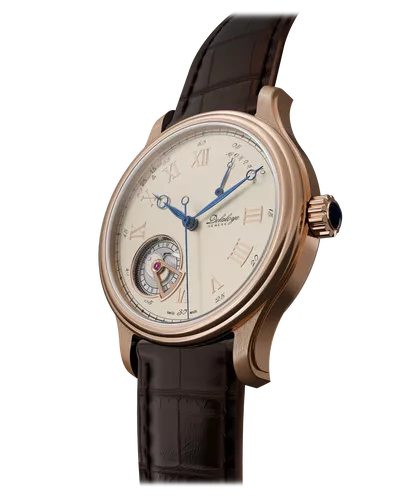
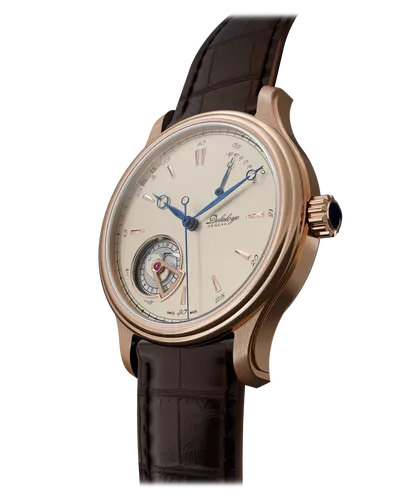
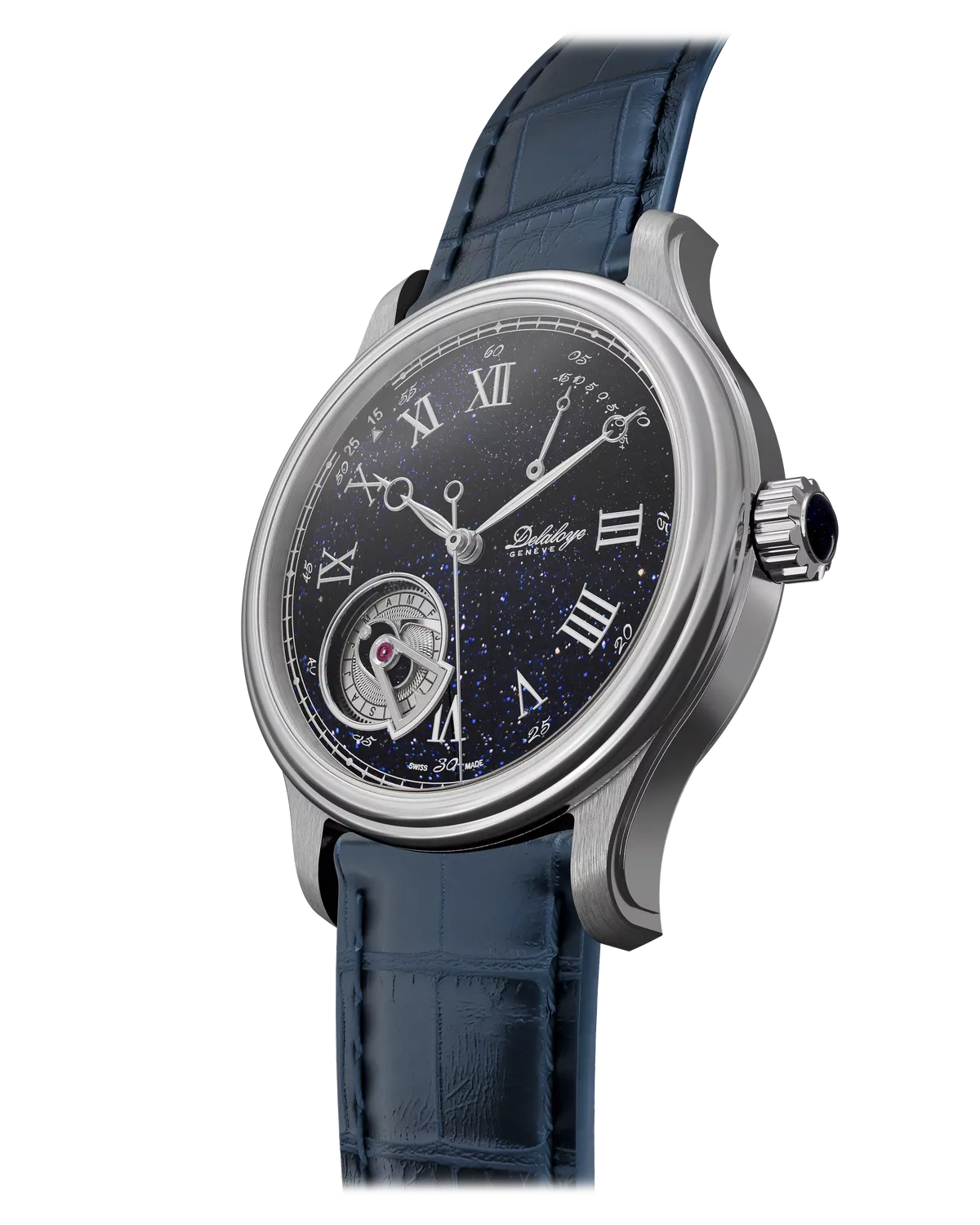
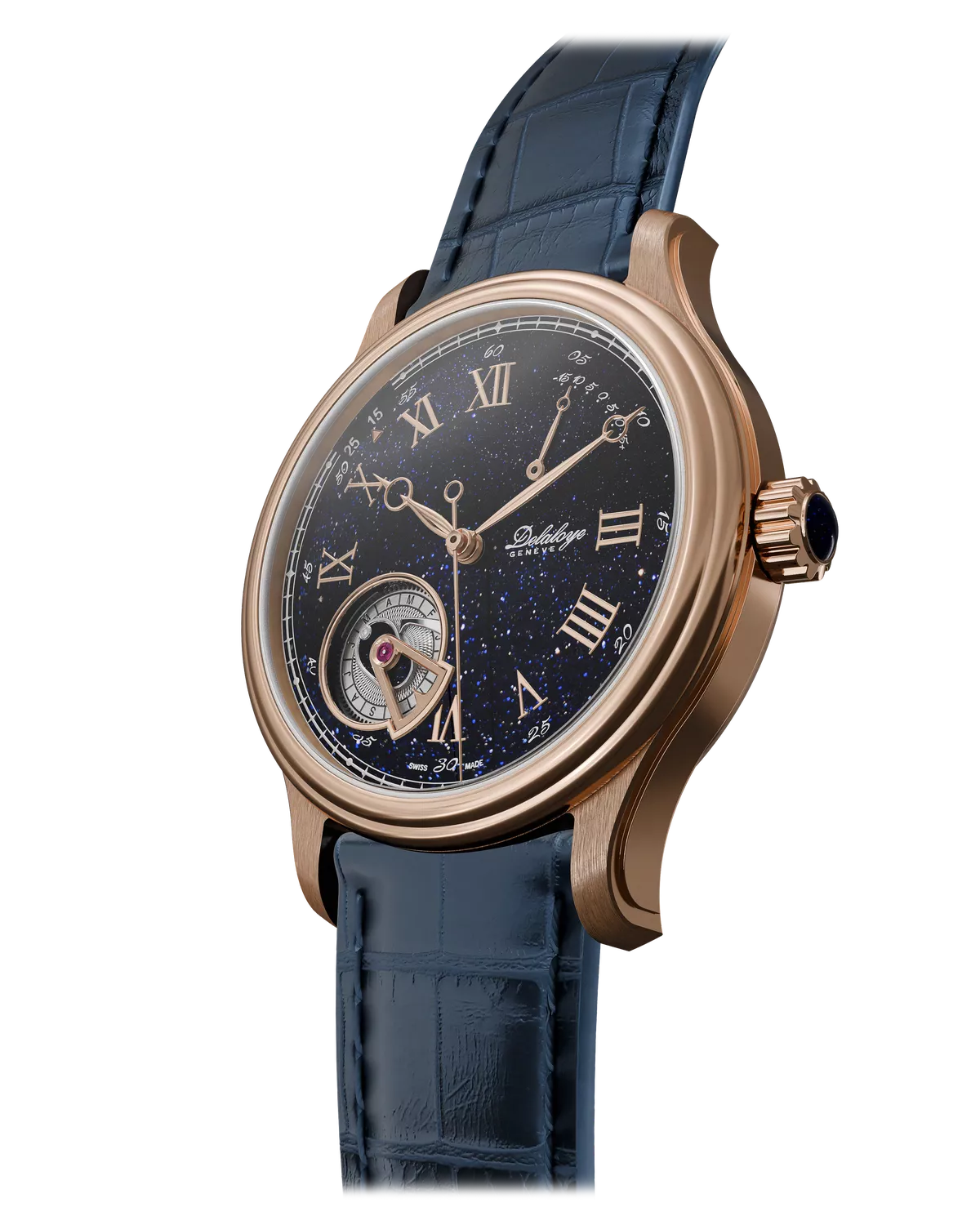
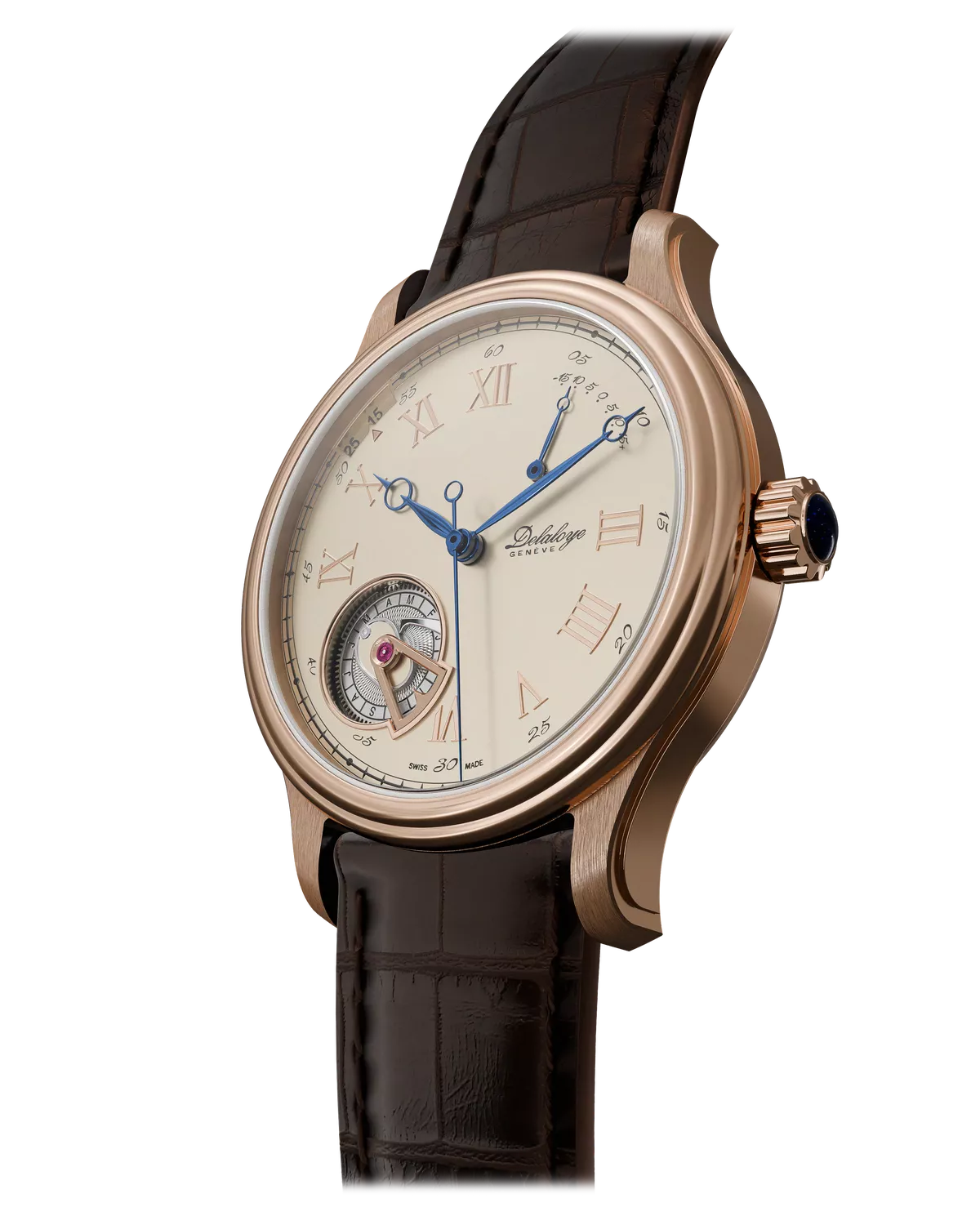
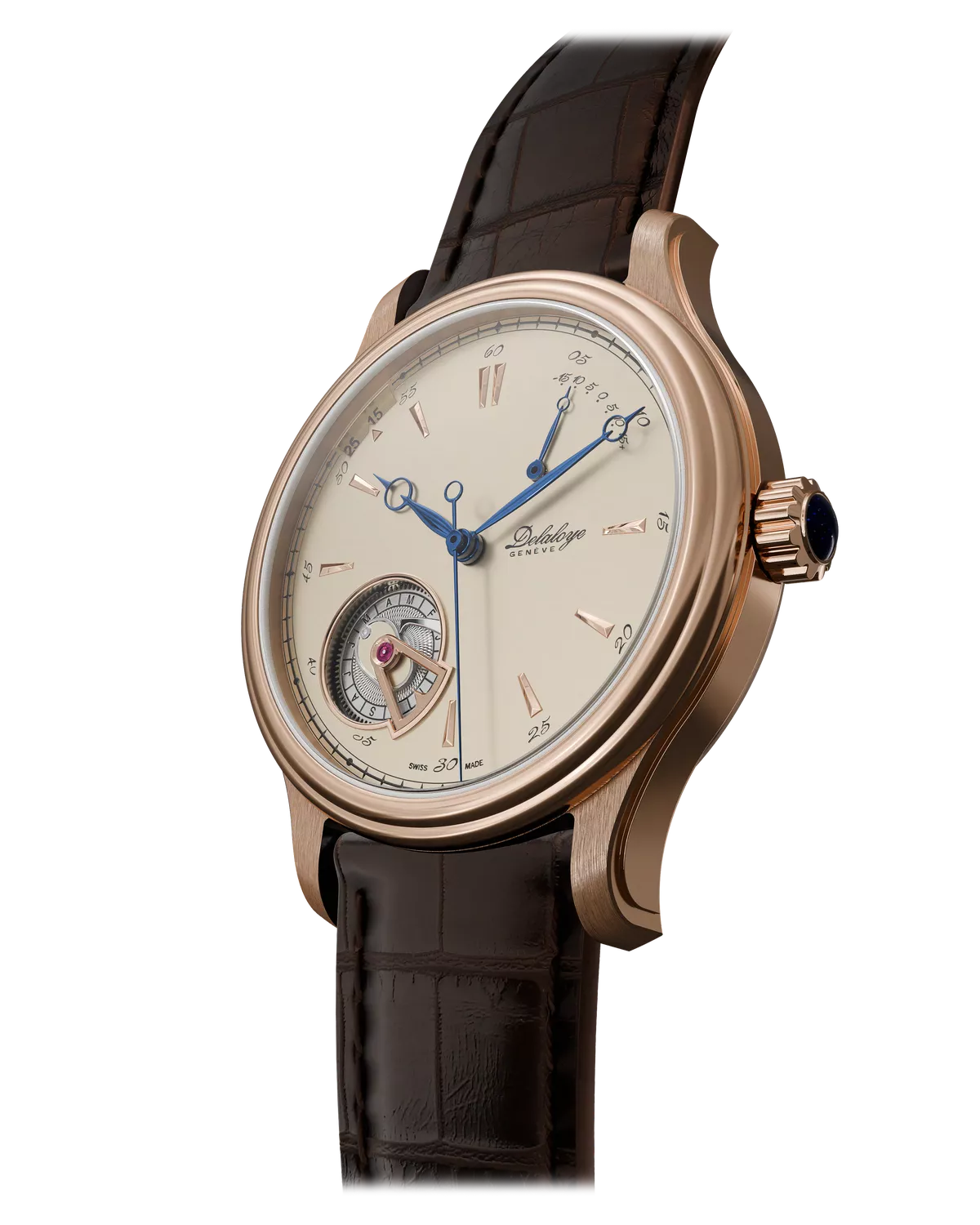
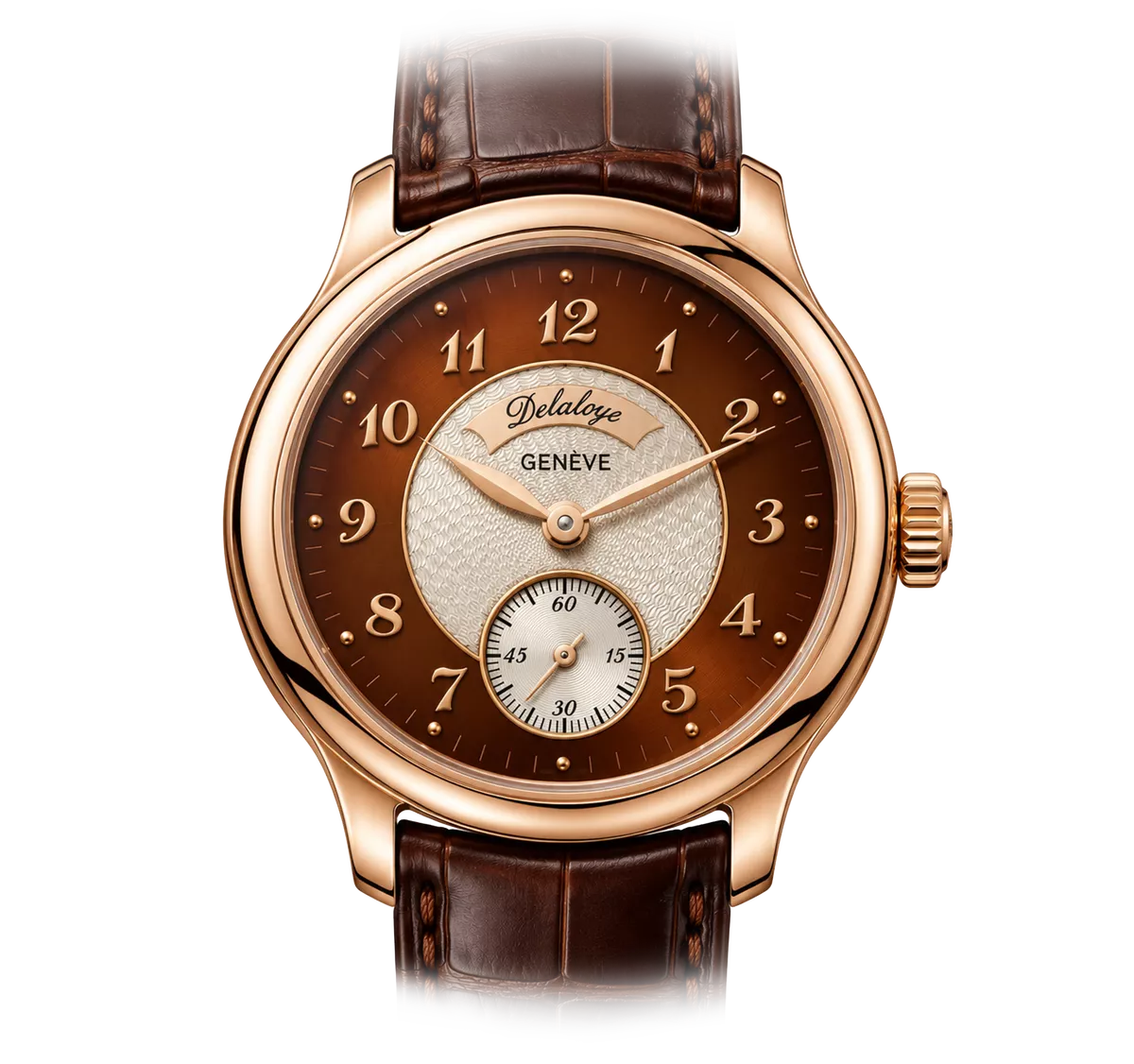
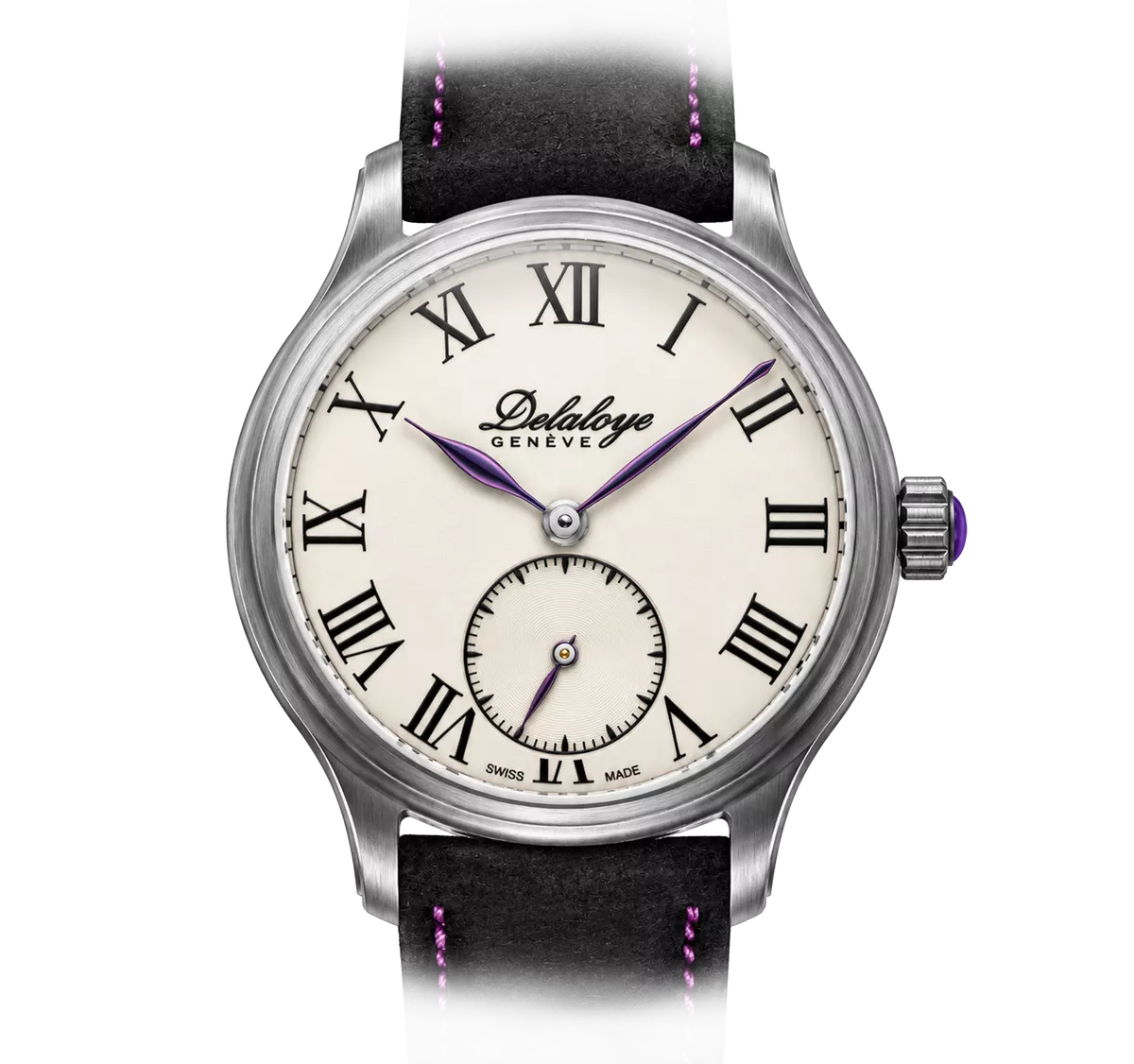
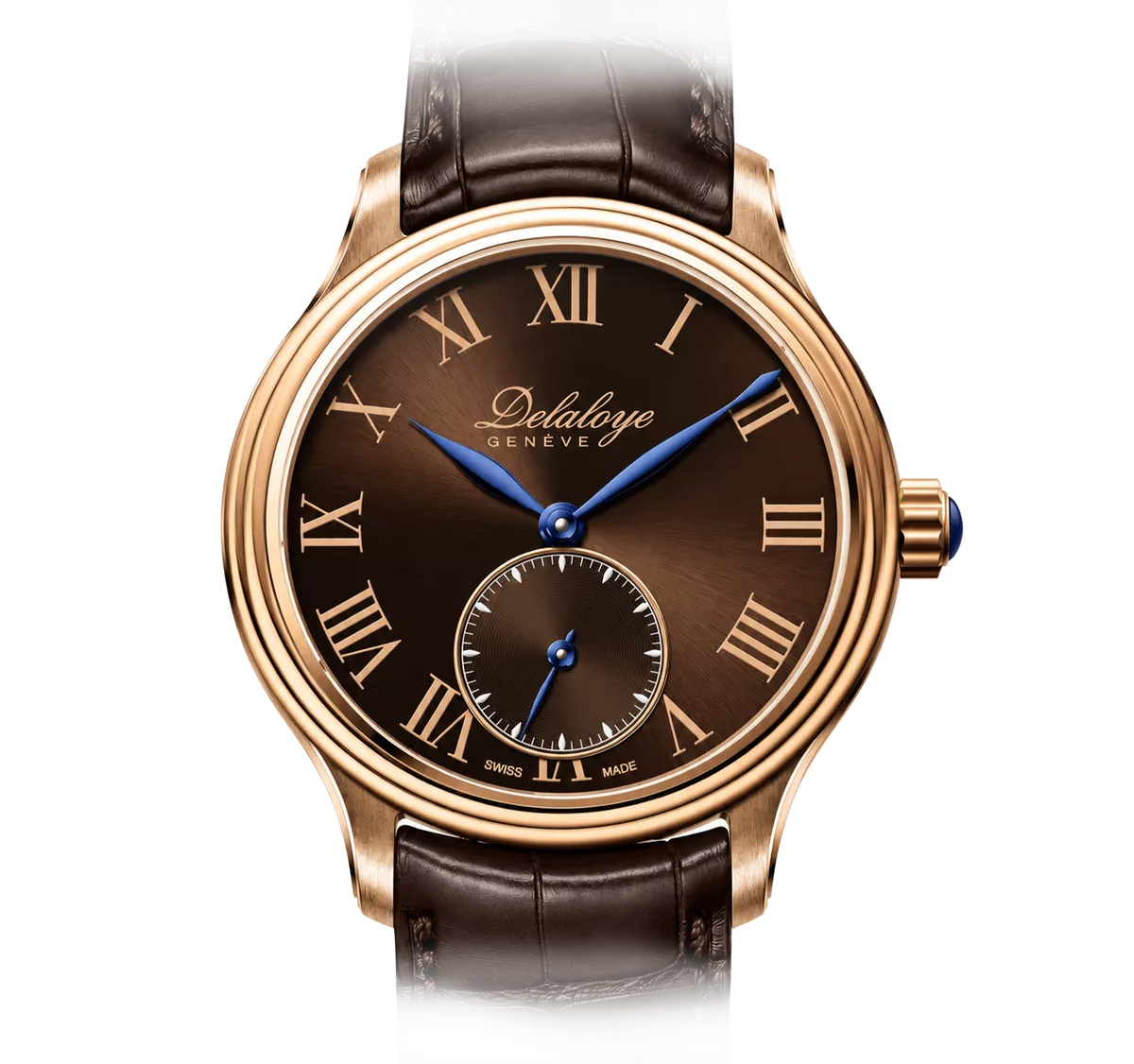
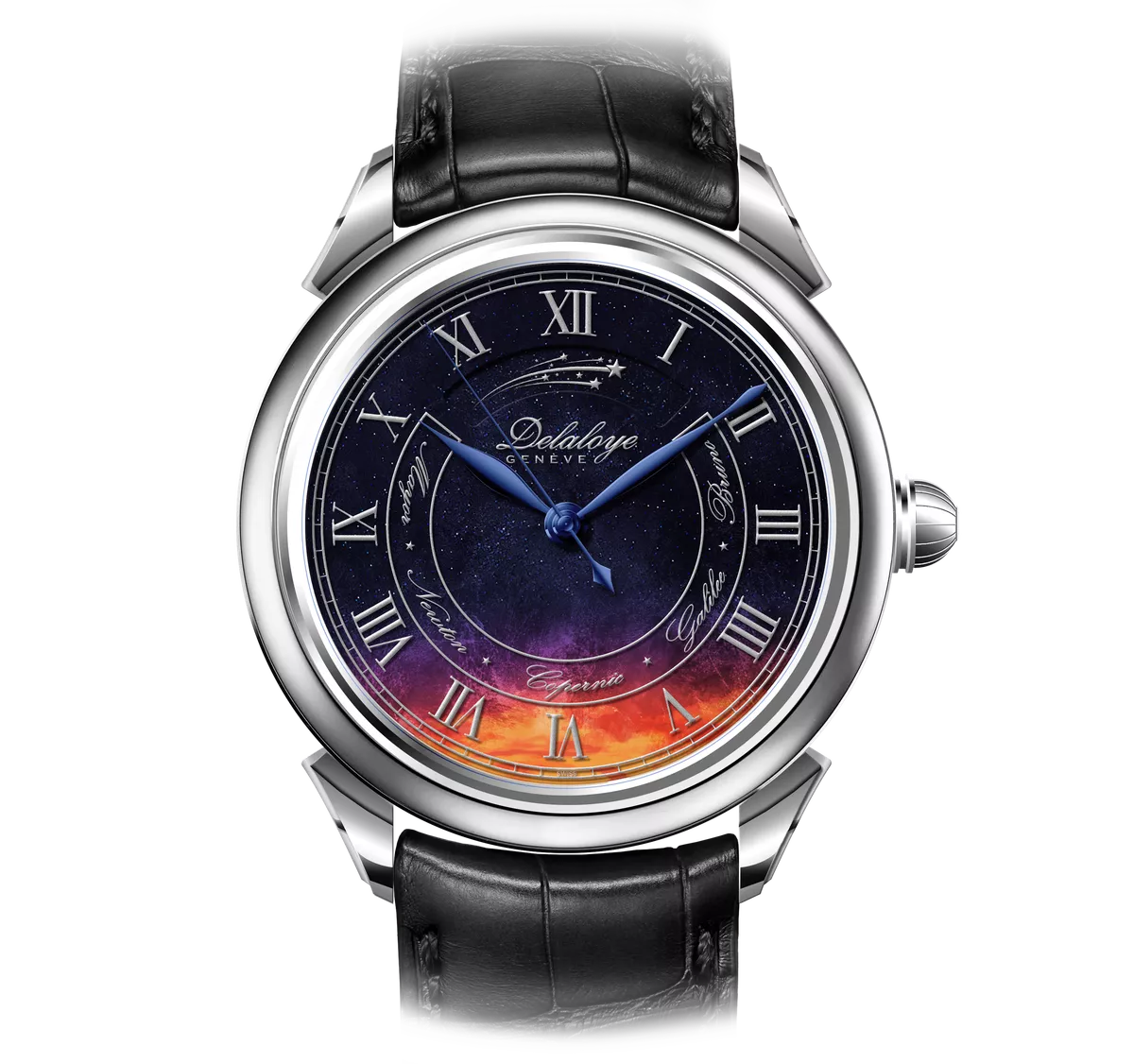
Renaissance 1776 is offered in several expressions, all built around the same architecture. Enamel, aventurine, guilloché and dials of rich nuance carry this diversity into the indexes and the stones. Beyond a date, 1776 evokes a Genevan tradition of research, transmission and invention.
The equation of time shows the difference between true solar time and mean time.
1776 36.ARPT




Contact us